
Spring 2025 Plug Sale
Get your garden started off right with high-quality landscape plugs
We’re once again offering our 25-plant pollinator garden kits along with 5-packs of landscape plugs in a variety of resilient native species. This is the most efficient and cost-effective way to jump start your wildlife-friendly garden!
Quantities are very limited - so be sure to order fast!
-
Pickup will be available from our home in Collingswood within 24-48 hours from your order. You’ll receive a confirmation email when you place your order, and then a second email confirming that your plants are ready for pickup.
-
Plugs are smaller plants (5 inches deep and 2 inches across) with fully developed root systems that can be directly planted into the ground. Often used in larger restoration and gardening projects, they’re typically only available in bulk to the nursery trade.
-
Kits are designed to include everything you need for a complete pollinator garden covering about 25 square feet (5 × 5) for either sun or shade. Each kit includes 5 different species that complement each other and are easy to grow. Learn more about how to plant the kits here.Yes! 10% of all sales will go to the Green Team in support of its activities.

Plant this one in areas that get a little more moisture, in groups like a groundcover or as an accent. It’s similar to anemone canadensis, but taller and likes more shade. The common name “thimbleweed” comes from the fact that the seed pockets look like thimbles.
Great for pollinator or “cottage style” gardens.
Read more on Jersey Yards: https://www.jerseyyards.org/plant/anemone-virginiana/
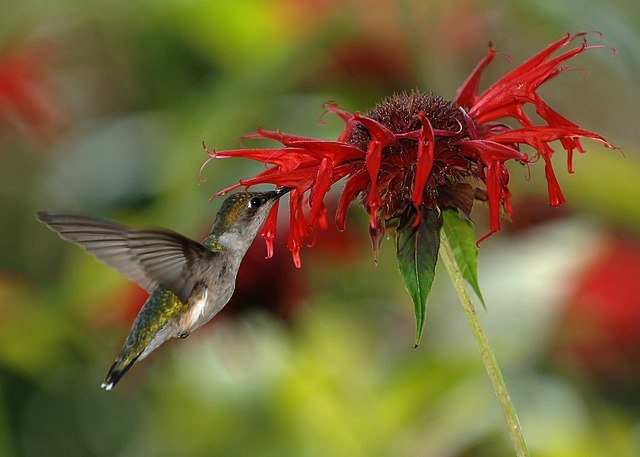
This striking red cultivar is a favorite of hummingbirds in addition to many insect pollinators. This variety exhibits good powdery mildew resistance. Will spread via underground rhizomes.
Height: 2-4'
Blooms: June - August
Soil: Average to moist
Light: Full Sun to Part Shade

Great pollinator plant and one of the earliest wildflowers to bloom in sunny sites. The foliage is evergreen. Can be short-lived, but they re-seed readily, which we think makes up for that. If you don’t like where they pop up, you can always move them.
Height: 3’ - 4’
Bloom: White
Soil: Adaptable, drought-tolerant
Light: Full sun
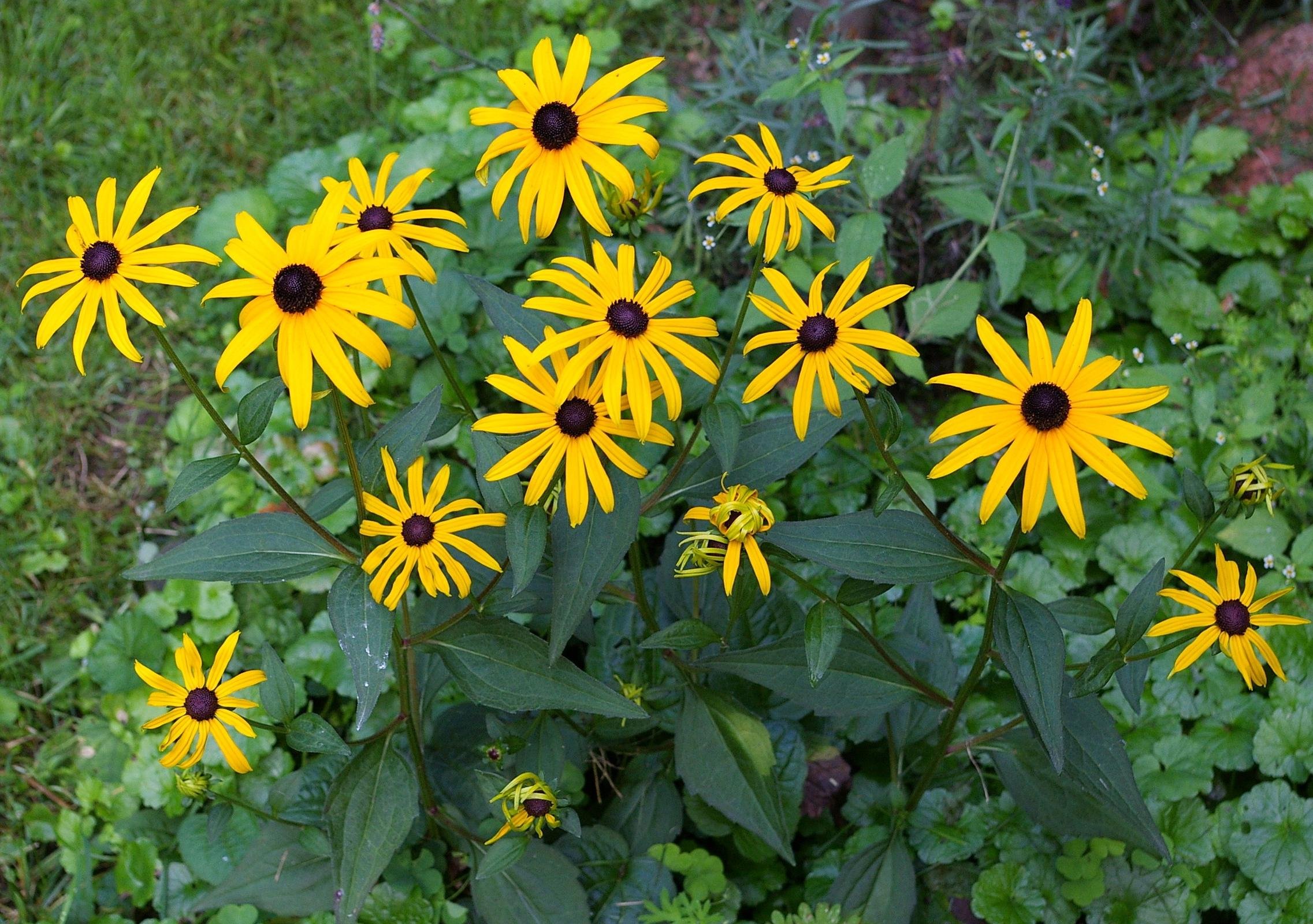
Also known as black-eyed susan, though there are several species that share that common name. This is a fast spreader with long-lasting, showy blooms from mid-summer into the fall. Classic addition to a pollinator garden.
Height: 2-3'
Blooms: August-September
Soil: Average to moist
Light: Full Sun
Shop Now

We have 40 million acres of turf grass in the U.S. — 40 million acres of wasted space. Turn that sunny piece of property into a haven for butterflies, bees, hummingbirds, and other beneficial beings.
This kit features drought-tolerant native perennials that love the sun. We chose species that will bring color (and nectar) from spring through fall.
The kits include 25 individual plants, which will fill a 25 square-foot bed (5' x 5'). Consider adding a native grass for a functional, beautiful mini meadow.
Each plant comes as a 5” deep root landscape plug, an economical way to establish a garden from scratch at a fraction of the cost of buying full-sized plants. We hear every year how shocked customers are at how quickly the plants take off.
The Details
5 specimens of each perennial species native to our region
100% South Jersey grown
100% neonicotinoid pesticide free
Waste-conscious packaging
Transported via our plugin hybrid van
The Plants
Foxglove Beardtongue - Penstemon digitalis
Blooms: White or pink, April - May
Height: 2-4’
Great pollinator plant and one of the earliest wildflowers to bloom in sunny sites. The foliage is evergreen. Can be short-lived, but they re-seed readily, which we think makes up for that. If you don’t like where they pop up, you can always move them.
Swamp Milkweed - Asclepias incarnata
Blooms: Pink, June - August
Height: 3’
A must-have plant for pollinator gardens, this pink native milkweed variety is a standout in the garden. It grows to 3 feet high, and despite it’s name it isn't picky when it comes to soil.
Purple Coneflower - Echinacea purpurea
Blooms: puple, July - September
Height: 2-3’
A workhorse and a nice bridge between traditional and native plant gardeners, because it's recognizable, grows well in many conditions and offers long-lasting blooms throughout the summer. It will attract all sorts of pollinators (bees, butterflies, moths) and is a perfect pick for backyard birders. Watching goldfinches land on top of this species to feast on its seeds is a reminder that planting ecosystems that support birds is even better than hanging a bird feeder.
Gray Goldenrod - Solidago nemorosa
Blooms: August-October
Height: 2-2.5 feet
A Keystone Species for its critical benefit to local ecologies, this is a favorite of ours and one of the more compact goldenrods out there. Sprays of bright yellow flowers lasting well into the fall provide nectar and seed for butterflies and birds, respectively.
Aromatic Aster - Aster oblongifolium
Blooms: August - October
Height: 2-3 feet
A beautiful, fall blooming critical nectar source for pollinators including Monarchs. Offers color well into the fall. Can be pinched for more compactness and more blooms, but don't require it like some asters. Native asters are Keystone Species that support over 100 different beneficial insects.
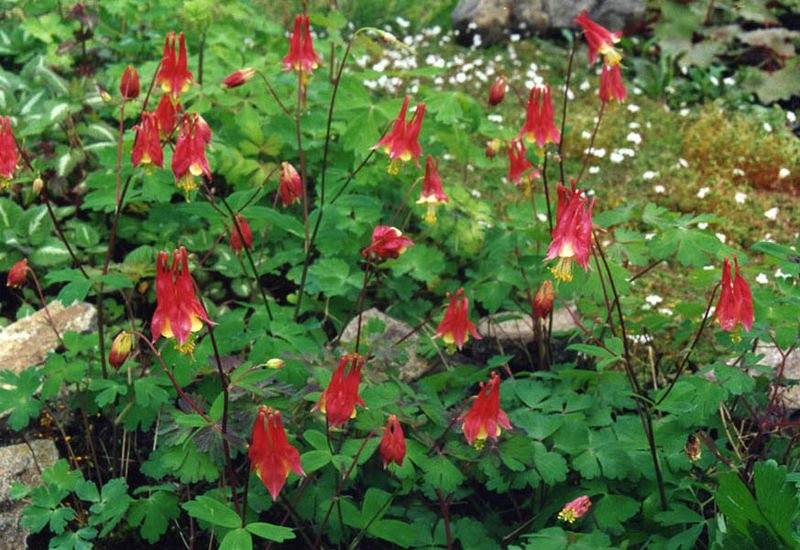
A classic for native woodland gardens, Columbine’s long lasting and interesting flowers attract hummingbirds and other pollinators in shade or part-shade conditions. It’s also a host for the Columbine Duskywing (Erynnis lucilius) butterfly.
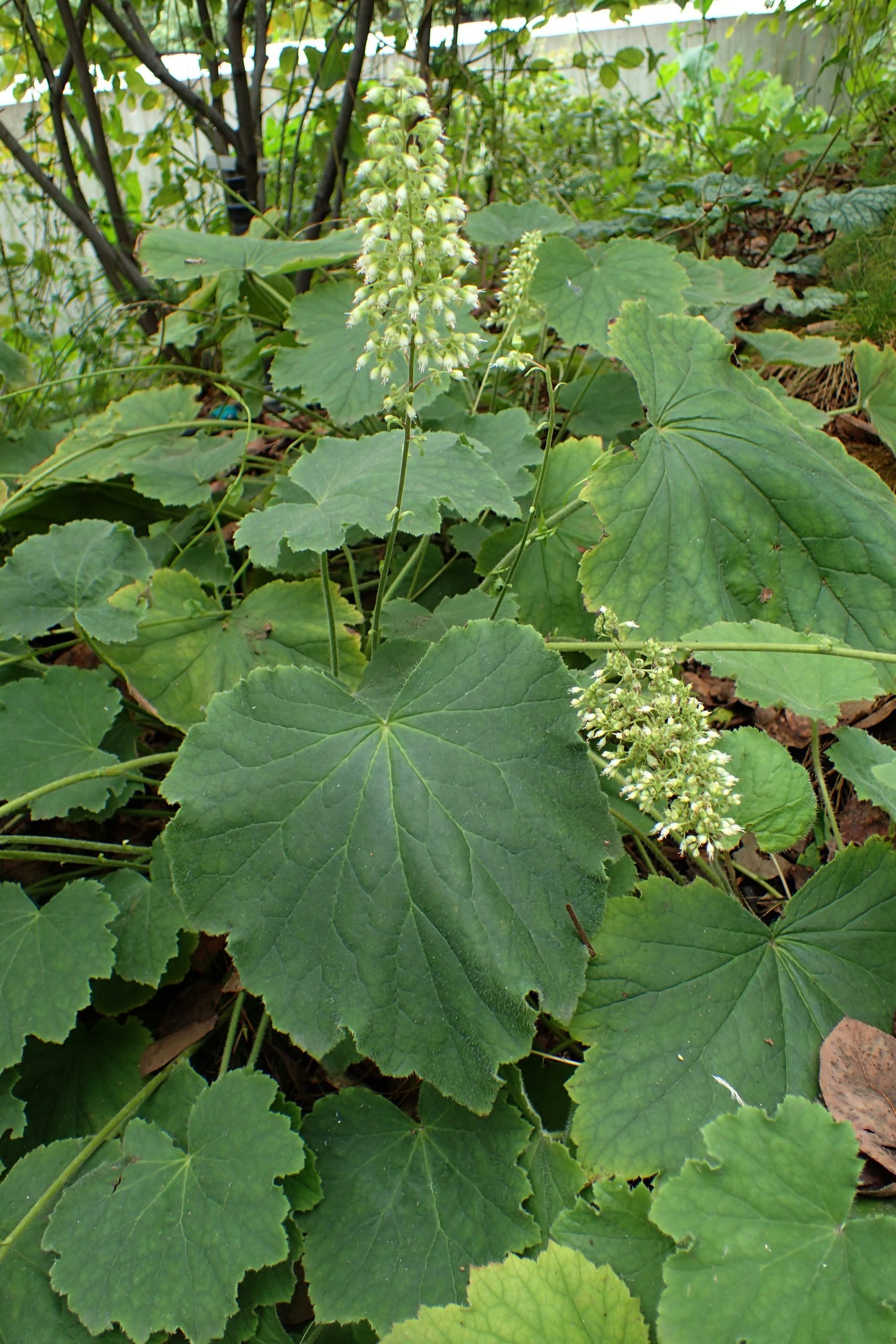
This species can handle a bit more sun than other heucheras and blooms in late summer/fall. Extremely versatile as a groundcover or in mixed perennial beds.
Height: 12-18”
Blooms: August - October
Soil: Average to moist
Light: Shade to part shade
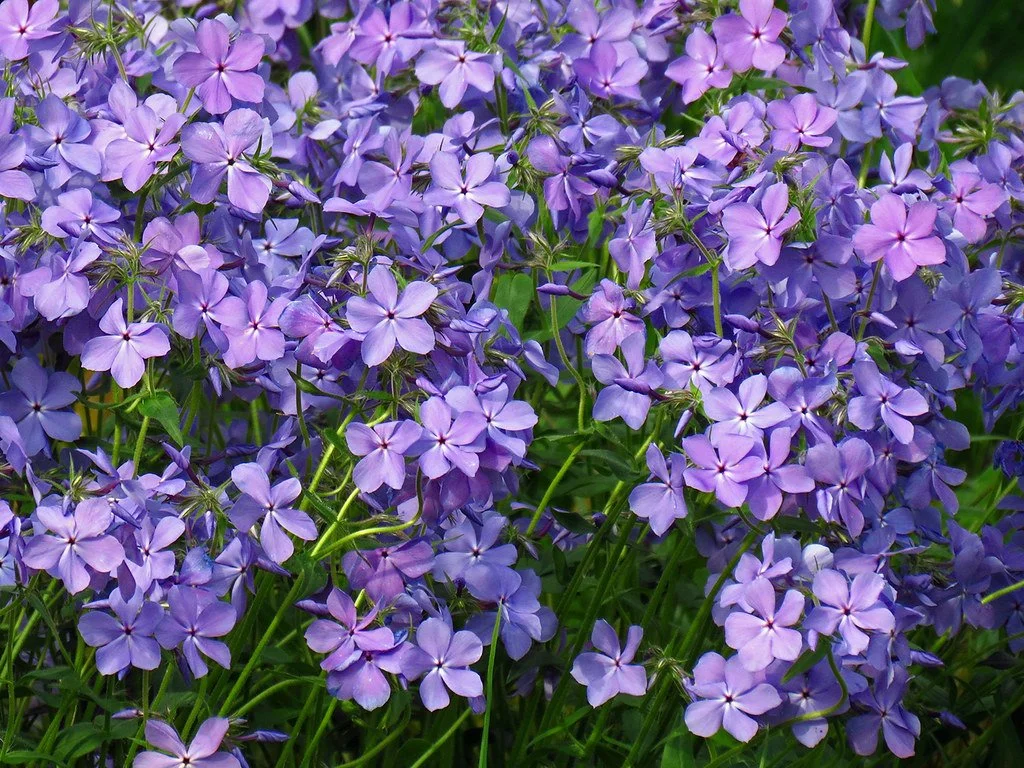
Pretty little bluish purple flowers bloom in spring, attracting butterflies, including Swallowtails and Gray Hairstreaks. Its roots are consumed by rabbits and voles, which are also important creatures in a healthy ecosystem! This phlox, also called woodland phlox, is another great example of how much color you can add to a shade garden when selecting and planting natives.
Height: 12”
Blooms: April - May
Soil: Average to moist
Light: Shade to Part Shade
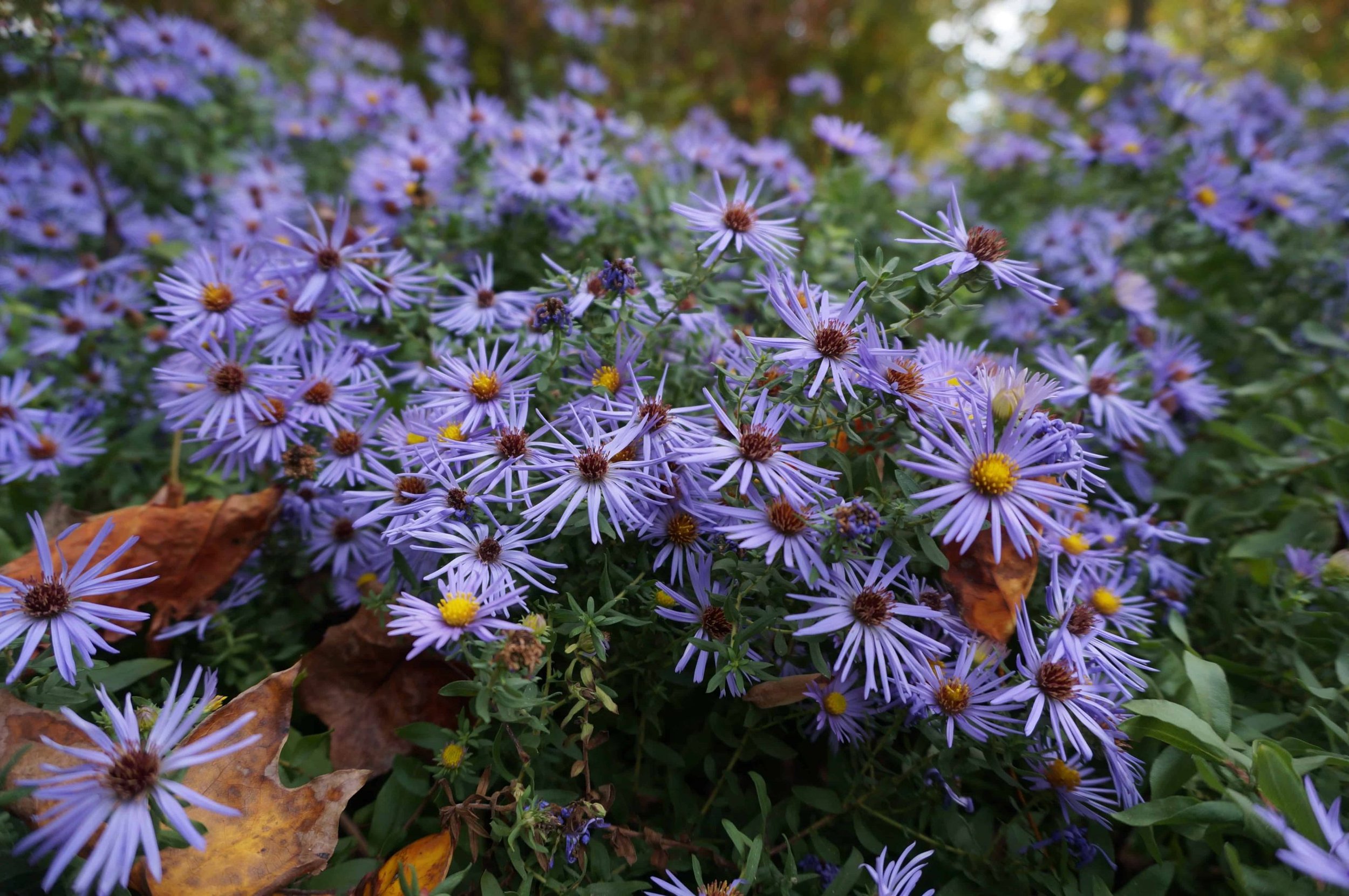
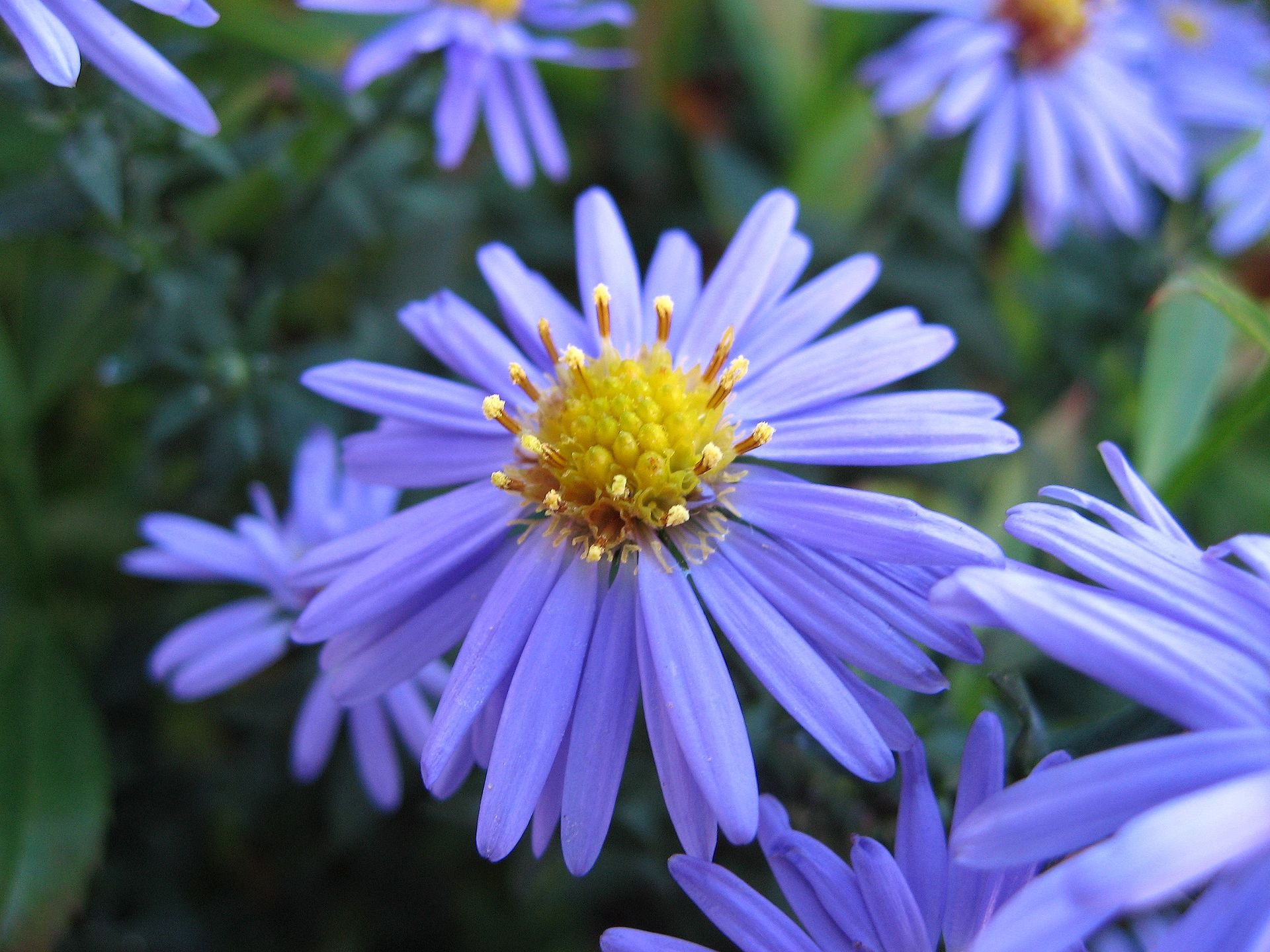
Excellent fall blooms - use these in your garden instead of chrysanthemums and pair them with goldenrod for a stunning fall garden. Can be pinched for more compactness and more blooms, but don't require it like some asters. This one smells incredible and is a host for Silvery Checkerspot Butterflies and a variety of moth species.
Height: 2-3'
Blooms: September - October
Soil: Average to moist
Light: Full Sun to part shade

Sedge groundcovers are great friends to gardeners who want to crowd out weeds, support beneficial insects, and is just so easy to grow. So basically, a friend to us all.
This semi-evergreen sedge is typically found in moist woodlands, but it also thrives in average garden conditions in dappled shade and even up to full sun. This was one of the top-performing species in Mt. Cuba Center’s recent sedge trials.
Learn more at https://issuu.com/mtcuba/docs/22034-carex_report-final121922?fr=sMWI3ZDU2ODU5NjY
Height: 1’
Blooms: May-June (flowers are not showy)
Soil: Average to moist
Light: Shade to Full Sun
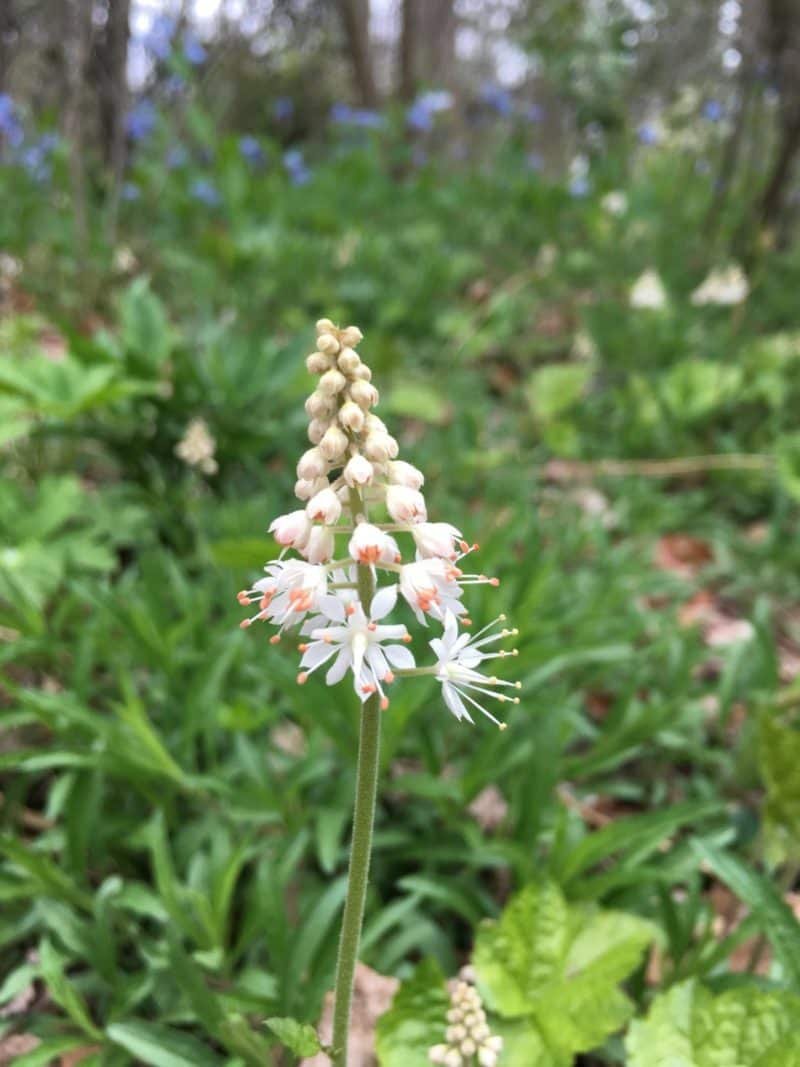
Gorgeous spiked flowers in spring and lovely foliage for rest of season (can be semi-evergreen).
This cultivar has variegated greenish and reddish leaves.
Height: 1’
Blooms: May-June
Soil: Average to moist
Light: Shade to Part Shade
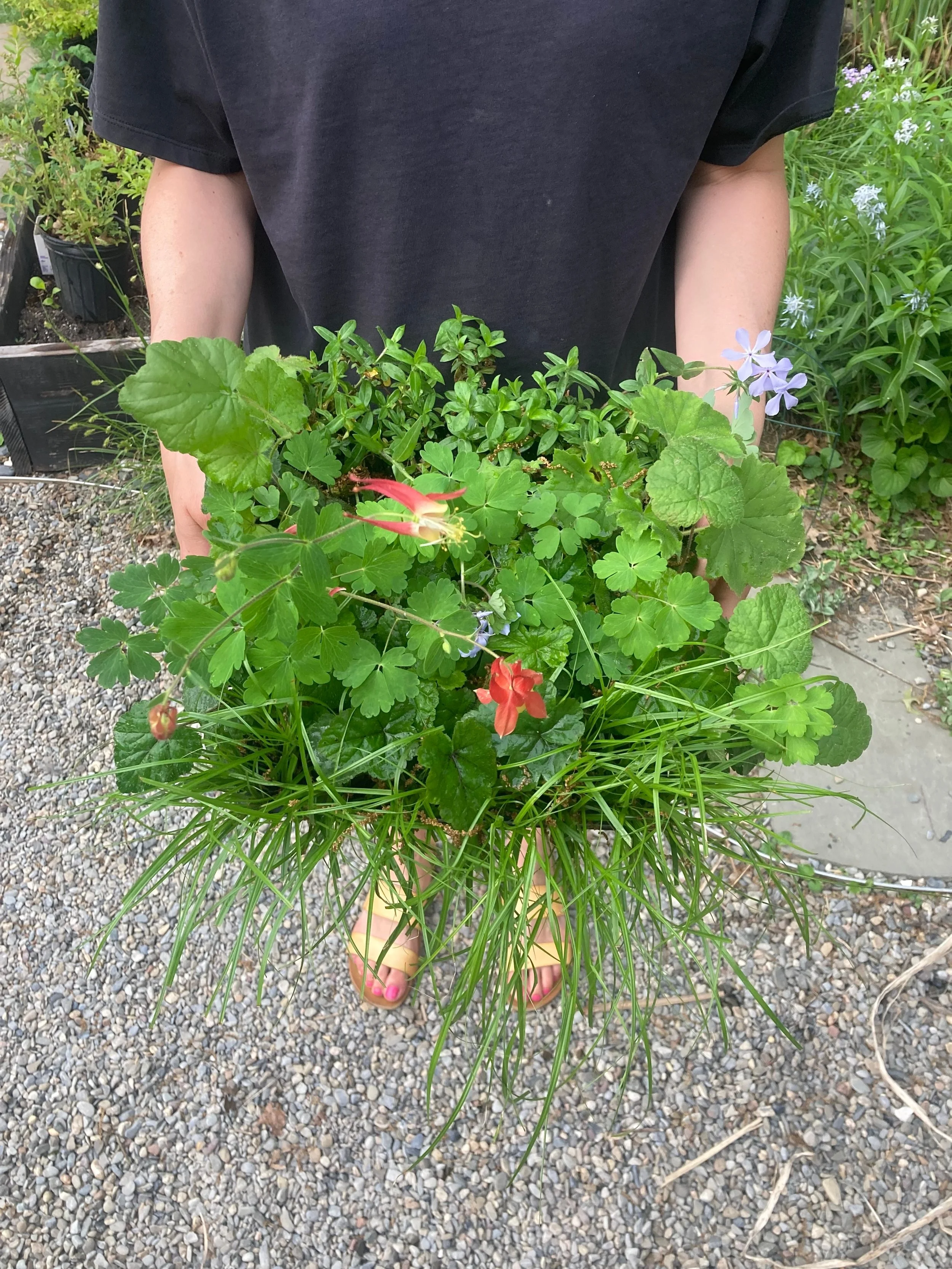
Blessed with big, old trees that provide ample shade? That’s paradise. When working with natives, you can grow a colorful pollinator garden that attracts butterflies, bees, and other beneficial insects even in shadier areas. This kit features several native plant species that thrive in part to full shade and attract a wide range of pollinators.
The kits include 25 individual plants, and will fill 25 square-foot bed (5' x 5').
Each plant comes as a landscape plug, about 2 inches across and 5 deep. These small starter plants are an economical way to establish a garden from scratch at a fraction of the cost of buying full-sized plants.
The Details
5 specimens of each perennial species native to our region
100% South Jersey-grown
100% neonicotinoid pesticide free
Waste-conscious packaging
Woodland Phlox - Phlox divaricata
Blooms: April-May
Height: 12 inches
This shade-loving phlox forms a tight mat of foliage that keeps weeds down and pairs well with some of the other groundcovers in this kit. Attractive purple flowers provide an early burst of color to your yard.
Heartleaf Foamflower - Tiarella cordifolia ‘New Moon Motley’
Blooms: April-May
Height: 6-12 inches
A clump-forming plant with airy, pinkish-white spikes of flowers in the spring. Its attractive leaves stick around and make a great groundcover through the fall in a shady or woodland garden.
Wild Columbine - Aquilegia canadensis
Blooms: April - May
Height: 1’ - 2’
A classic for native woodland gardens that also thrives in the sun, Columbine’s long lasting and interesting flowers attract hummingbirds and other pollinators in shade or part-shade conditions. It’s also a host for the Columbine Duskywing (Erynnis lucilius) butterfly.
Cherokee Sedge - Carex cherokeensis
Height: about 1’
Bloom: April - June
We love this heat-tolerant sedge for its shape, blue/green color and resilience, and planted lots of it in our own garden. Sedge is so underrated, but thankfully Mt. Cuba released research on it last year that seems to be helping it earn its well-deserved place in any home garden. This particular species ranked high for its toughness, color, and ability to provide cover for wildlife well through the winter.
Golden Groundsel - Packera aurea
Blooms: Yellow, April-May
Height: 1-2 feet
A great spring-blooming groundcover. Will spread and form colonies with low, evergreen basal foliage that is topped with 1-2 foot daisy-like flower stalks in spring. Also known as Senecio aureus.
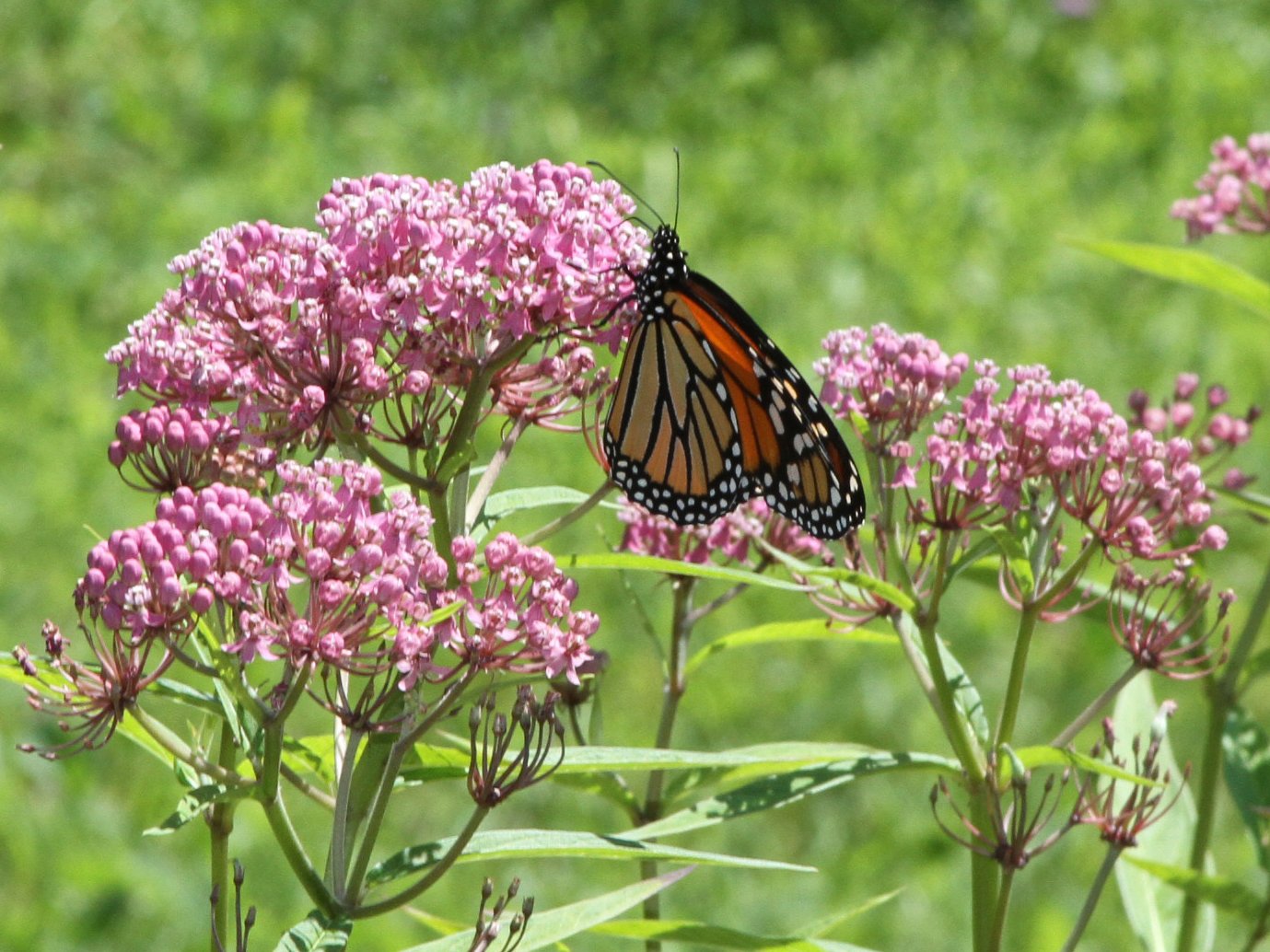
Also known as Rose Milkweed for its deep pink color, this is a personal favorite and a host plant for monarch butterflies. It likes moist soils, but can handle dry sites as well as some shade. Doesn't spread aggressively like common milkweed.
Landscape plugs are smaller plants (about 2 inches wide by 5 deep) that you can directly plant in your landscape to cover more space for a lower price. Won’t have the same instant impact as a gallon plant, but will catch up by year two.
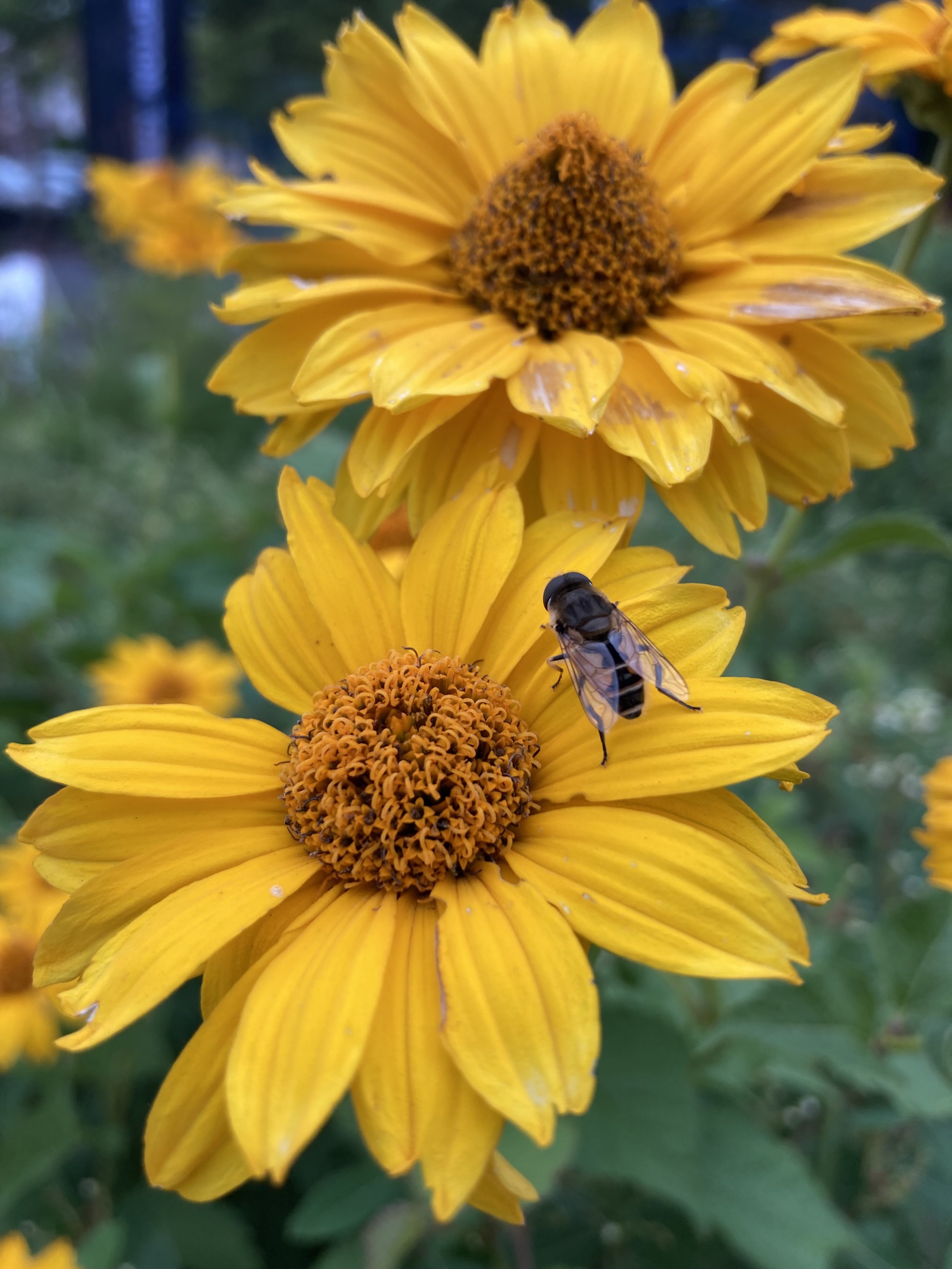
A tall, showy native wildflower that earned the Keystone Species distinction for providing critical support for local wildlife species. It’s easy and drought-tolerant, and grows 3-6’ tall.
Heliopsis bursts with abundant yellow daisy-like flowers for most of the summer. Spreads easily but not aggressively by self-seeding, and can handle light shade as well as full sun.
Ecological value: Heliopsis is host plant to 60+ unique butterfly and moth species, and 50 pollen specialist bee species rely on it for survival.
Height: 4-6’
Blooms: June-September
Soil: Average to moist
Light: Full Sun to Part Shade

A great spring-blooming groundcover. Will spread and form colonies with low, evergreen basal foliage that is topped with 1-2 foot daisy-like flower stalks in spring. Also known as Senecio aureus.
Height: 1-2' stalks over low foliage
Blooms: March-April
Soil: Average to wet
Light: Partial to full Shade, though can handle full sun with moist soil
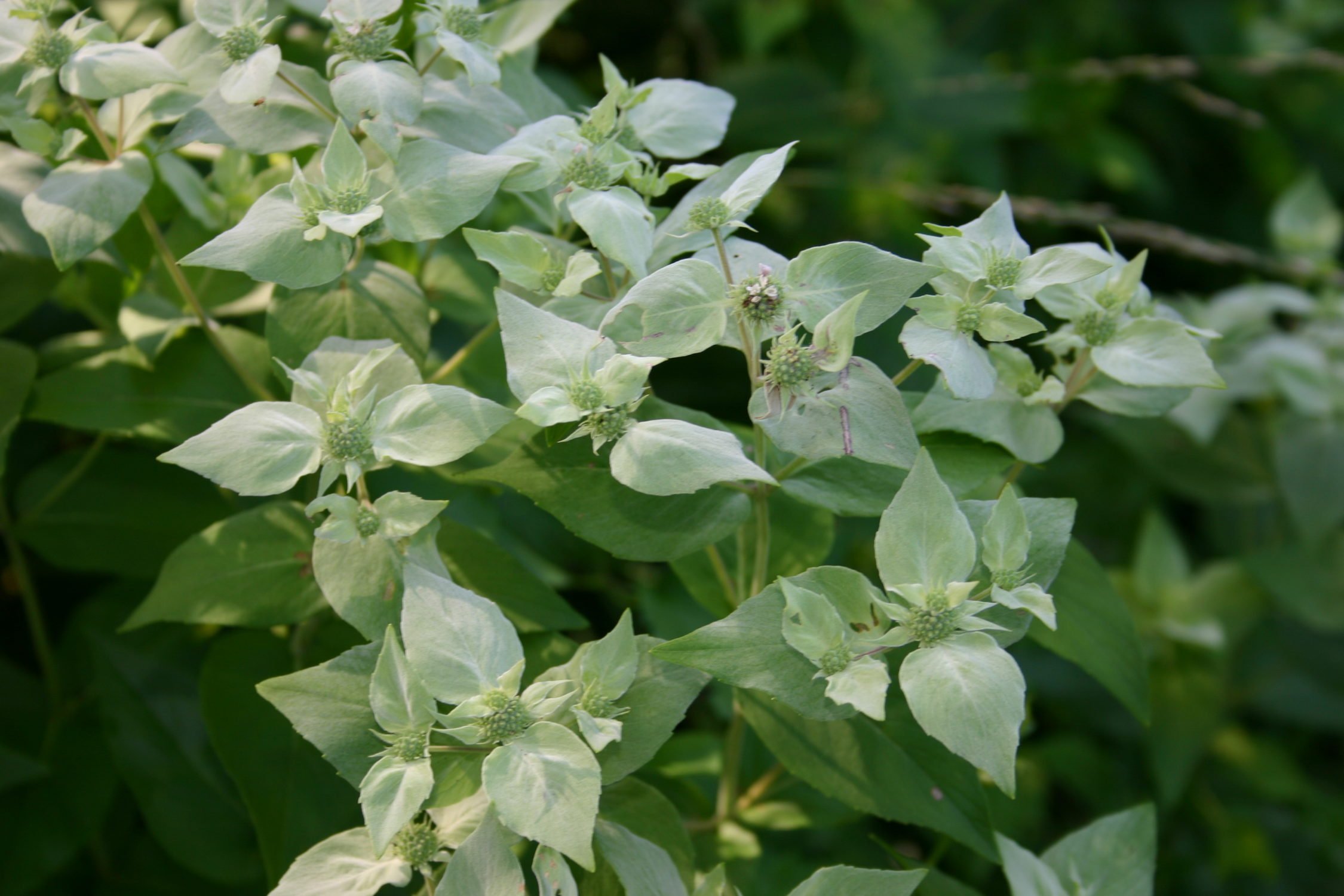
Mountain mint's distinctive pinkish green flowers are long bloomers and pollinator magnets, and this amazing plant is a magnet for lacewings, ladybugs, non-stinging wasps and other insects that help eradicate garden pests.
It grows to about 2 to 3 feet, and does well in part-shade to sunny sites. Here’s a nice article about it: Mountain Mint—Truly, a Gardeners Mint
Height: 2-3'
Blooms: July - September
Soil: Dry to Average
Light: Full Sun to Part Shade
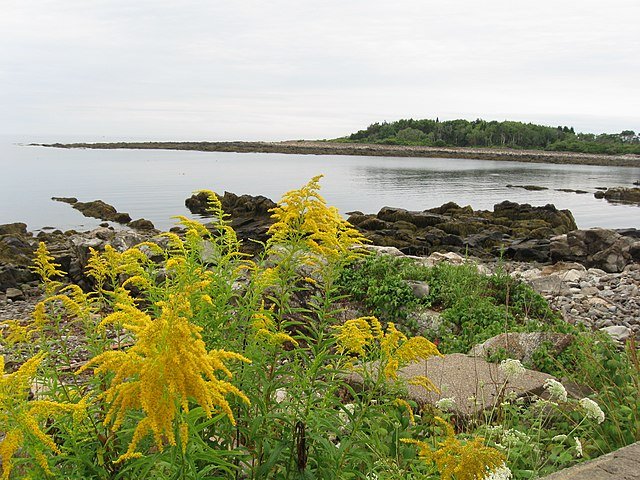
A keystone species for our area, meaning if we lose it, there will be a significant impact on the health of our ecosystems. (And I’m sure you’ve heard our local ecosystems are not exactly thriving…) Like most goldenrods/solidagos, this is super adaptable and resilient and is host to many moth and butterfly caterpillars. When it blooms in the fall, you’ll be telling yourself to plant more next year. One of the shorter goldenrods available for our region.
Height: 1-3’
Blooms: August-October
Soil: Dry to average
Light: Full Sun to Part Shade