
Welcome, Merchantville!
The 2026 Native Plant Fundraiser
The Green Team is proud to partner with Wild Roots on an exclusive spring native plant sale!
Join others in the embrace of native plants, strengthening our local ecosystem and adding beauty and resilience to our landscape.
The demand for these natives is very high. Order early for best availability as popular items may sell out.
-
Pick-up is at the gazebo along the Merchantville bike path on Saturday May 16, 2026, from 10am - 2pm.
-
Plugs are smaller plants (5 inches deep and 2 inches across) with fully developed root systems that can be directly planted into the ground. Often used in larger restoration and gardening projects, they’re typically only available in bulk to the nursery trade and are a great way to fill a larger space for less money.
-
Yes! 10% of all sales will go to the Green Team in support of its activities.

When everything starts to come alive in spring, this rain garden and wildlife pond favorite stuns. It’s hard to describe other than that the week your iris begins to bloom is a very good week. And if it’s not a very good week because of life, taking a few minutes to slow down and just look at the flower’s details will help just a little bit.
Naturally a wetlands plant, but is tolerant of dry soil as well.
Height: 2’
Blooms: May - August
Soil: Average to wet
Light: Partial to full sun
Like all milkweeds, it’s a host plant for monarch butterflies. It likes moist soils, but can handle dry sites as well as some shade. Doesn't spread aggressively like common milkweed. ‘Ice Ballet’ is more compact cultivar with white flowers
Height: 3-3.5’
Blooms: July-August
Soil: Average to moist
Light: Full Sun
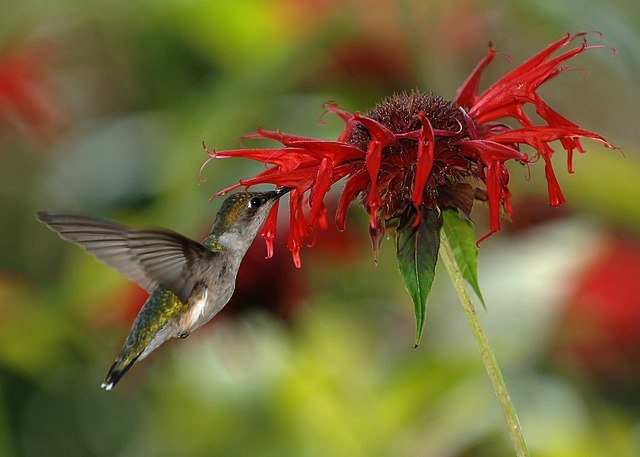
This striking red cultivar is a favorite of hummingbirds in addition to many insect pollinators. This variety exhibits good powdery mildew resistance. Will spread via underground rhizomes. Note that these plugs are slightly smaller than our other landscape plugs, but you get 6 in a pack.
Height: 2-4'
Blooms: June - August
Soil: Average to moist
Light: Full Sun to Part Shade
Very tall, dramatic statement plant. Make sure to plant them somewhere they won’t overwhelm their neighbors. Produces flowers as big as your head that will delight pollinators. Best planted in groups. Prefers moist soil
Height: 4-7’
Blooms: August-September
Soil: Average to wet
Light: Full Sun
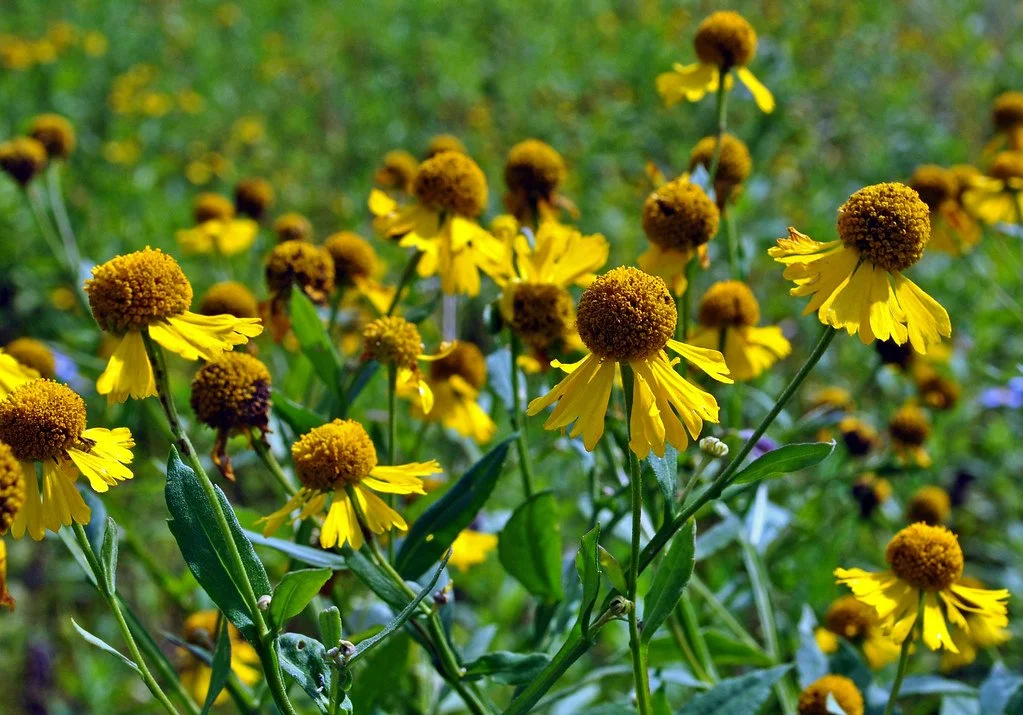
A terrific late-summer blooming meadow plant - and no, it doesn’t make you sneeze (it’s name reflects its former use as an ingredient in snuff). Many cunltivars are available, but this is the straight species with buttery yellow flowers. Can grow fairly tall, so best used in the back of beds or among other tall species.
Height: 3-5’
Blooms: Late summer - Fall
Soil: Average to moist
Light: Full Sun
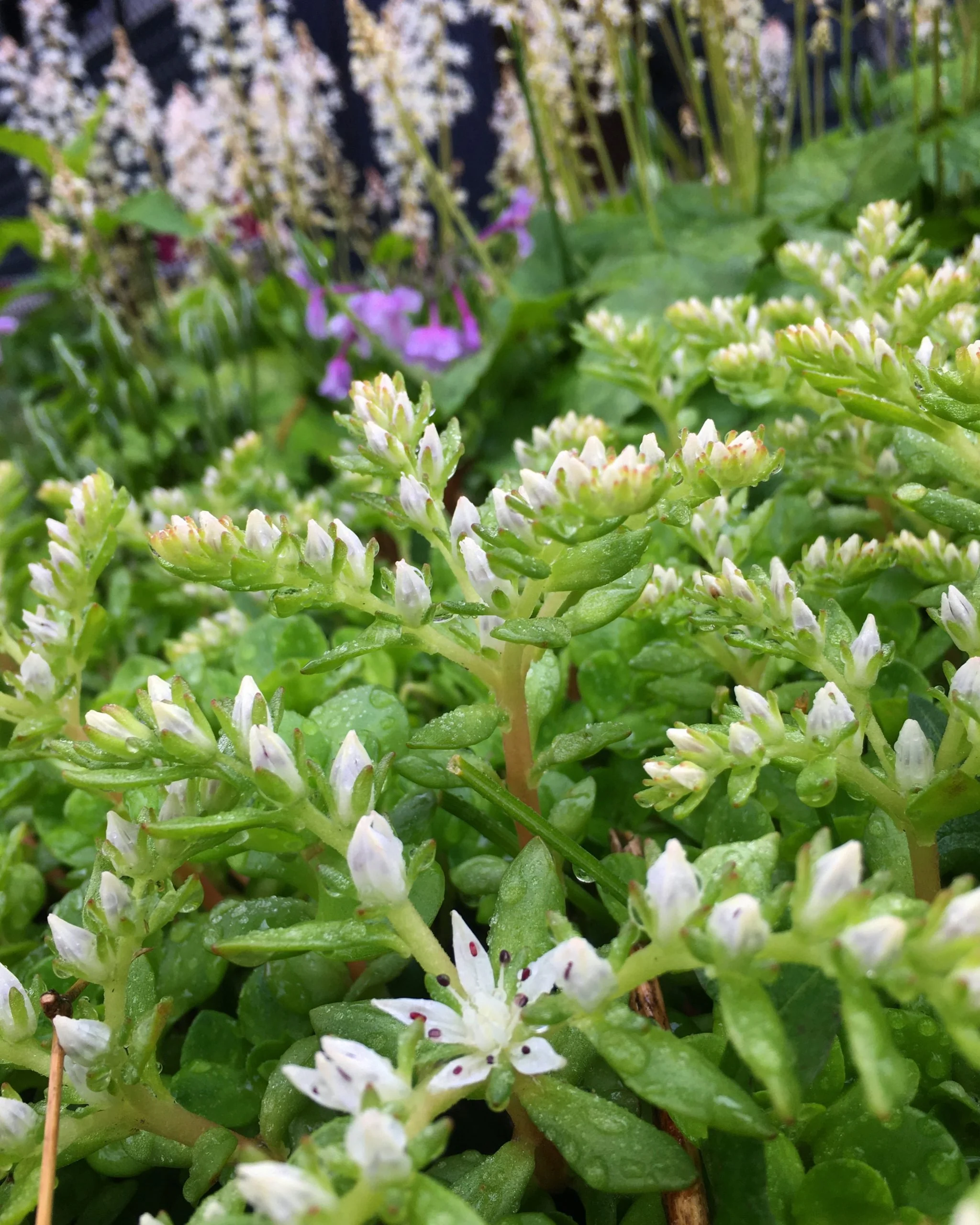
Succulent lovers, this one's for you. We first used this beautiful flower as a green roof for a bird house, and have since planted more in our woodland garden. It's low and spreads, making it a great groundcover choice. It's neat little star-shaped white flowers attract butterflies and the plant thrives in rocky areas as well (hence the name).
Height: 6”
Blooms: April-May
Soil: Average
Light: Shade to Part Shade
Shop Now
Plants for full and part sun in rough order of bloom time
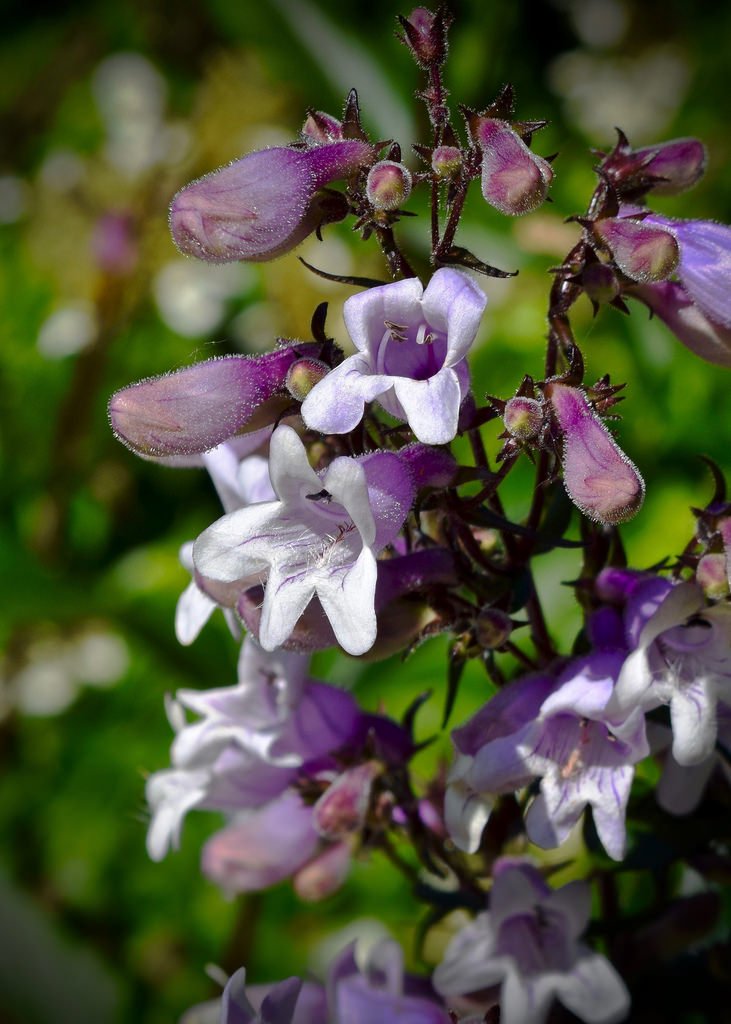
Great pollinator plant and one of the earliest wildflowers to bloom in sunny sites. The foliage is evergreen. Can be short-lived, but they re-seed readily, which we think makes up for that. If you don’t like where they pop up, you can always move them. This cultivar is slightly more compact than the species and the leaves and flowers are reddish-pink
Height: 3’
Bloom: Pink
Soil: Adaptable, drought-tolerant
Light: Full sun
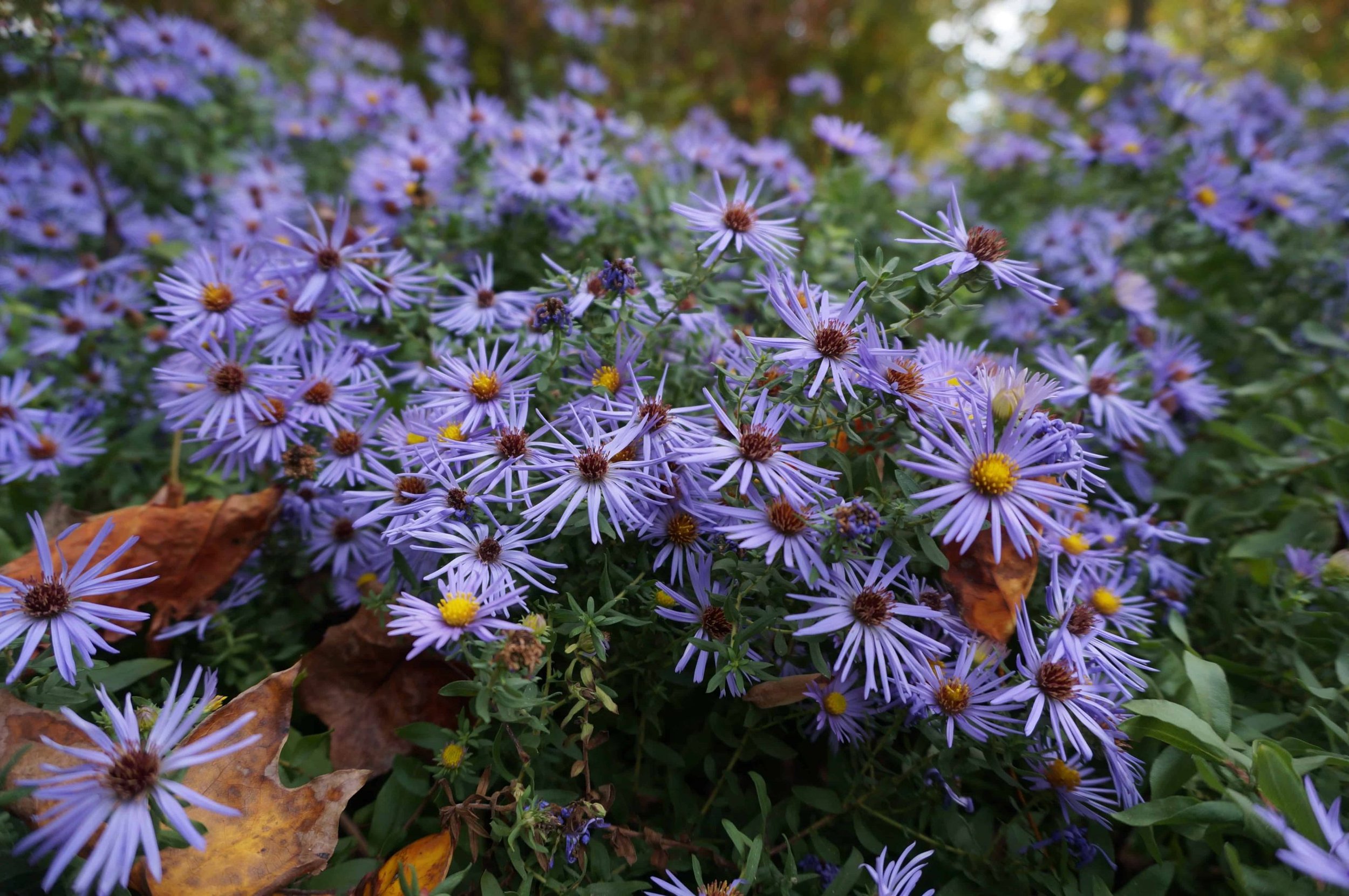
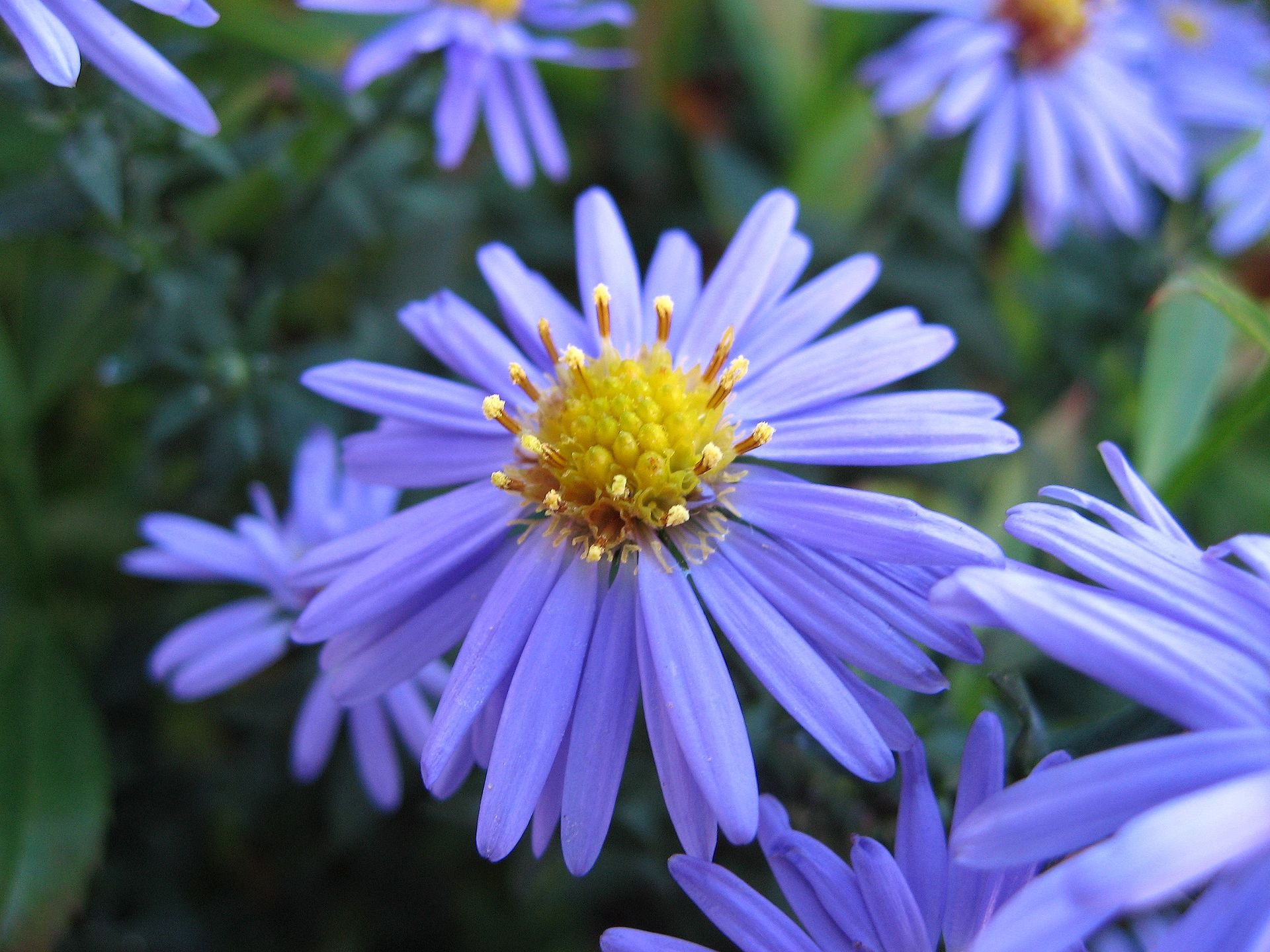
Excellent fall blooms - use these in your garden instead of chrysanthemums and pair them with goldenrod for a stunning fall garden. Can be pinched for more compactness and more blooms, but don't require it like some asters. This one smells incredible and is a host for Silvery Checkerspot Butterflies and a variety of moth species.
Height: 2-3'
Blooms: September - October
Soil: Average to moist
Light: Full Sun to part shade
Plants for full and part shade in rough order of bloom time
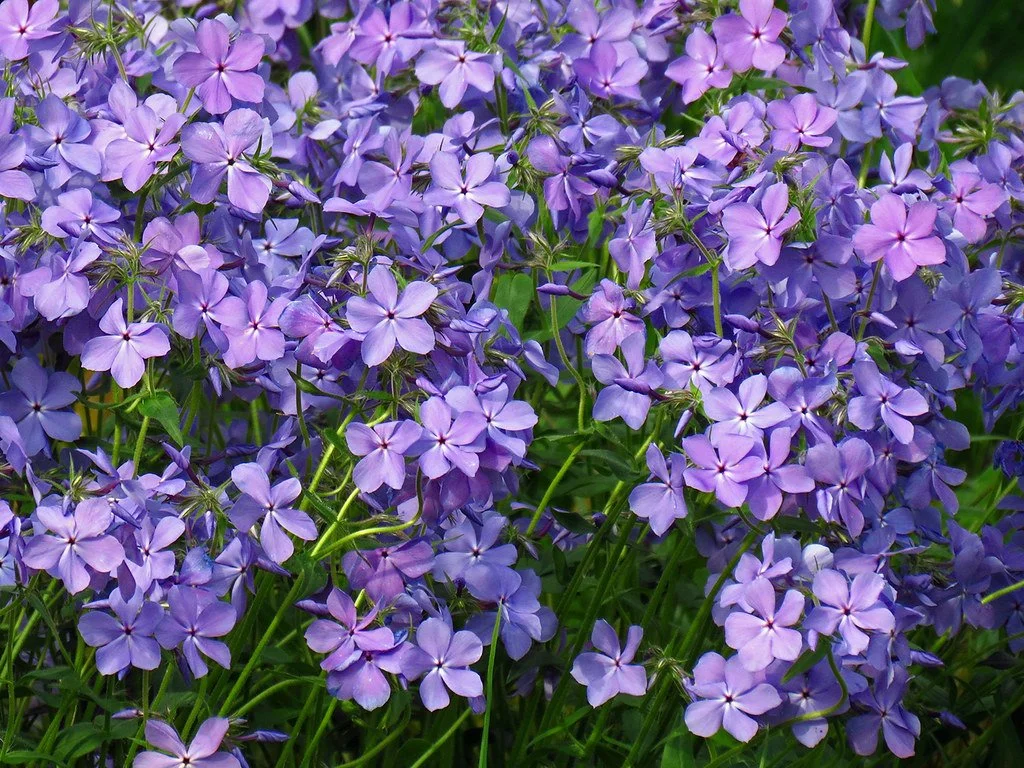
Pretty little bluish purple flowers bloom in spring, attracting butterflies, including Swallowtails and Gray Hairstreaks. Its roots are consumed by rabbits and voles, which are also important creatures in a healthy ecosystem! This phlox, also called woodland phlox, is another great example of how much color you can add to a shade garden when selecting and planting natives.
Height: 12”
Blooms: April - May
Soil: Average to moist
Light: Shade to Part Shade

A great spring-blooming groundcover. Will spread and form colonies with low, evergreen basal foliage that is topped with 1-2 foot daisy-like flower stalks in spring. Also known as Senecio aureus. Note that these are slightly smaller than other plugs, but they come in packs of 6.
Height: 1-2' stalks over low foliage
Blooms: March-April
Soil: Average to wet
Light: Partial to full Shade, though can handle full sun with moist soil
Sedge groundcovers are great friends to gardeners who want to crowd out weeds, support beneficial insects, and is just so easy to grow. So basically, a friend to us all.
This grass-like sedge forms clumps with fine textured foliage. Grows well in shade and part-sun in average soils. Can thrive in full sun, but may need division every few years. This was one of the top-performing species in Mt. Cuba Center’s recent sedge trials (and is a favorite in our own backyard)
Learn more at https://issuu.com/mtcuba/docs/22034-carex_report-final121922?fr=sMWI3ZDU2ODU5NjY
Height: 6-12”
Blooms: April (non showy)
Soil: Average to moist
Light: Shade to Part Shade (can be grown in full sun but may not be as vigorous)
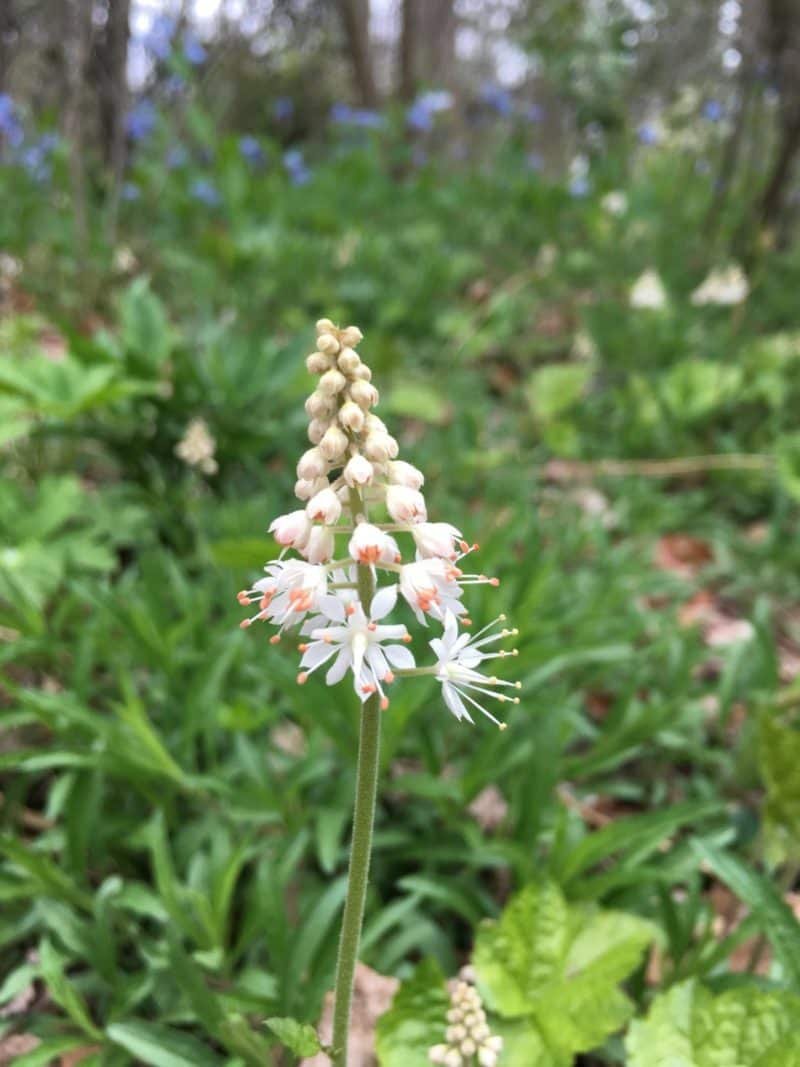
Gorgeous spiked flowers in spring and lovely foliage for rest of season (can be semi-evergreen).
This cultivar has variegated greenish and reddish leaves.
Height: 1’
Blooms: May-June
Soil: Average to moist
Light: Shade to Part Shade
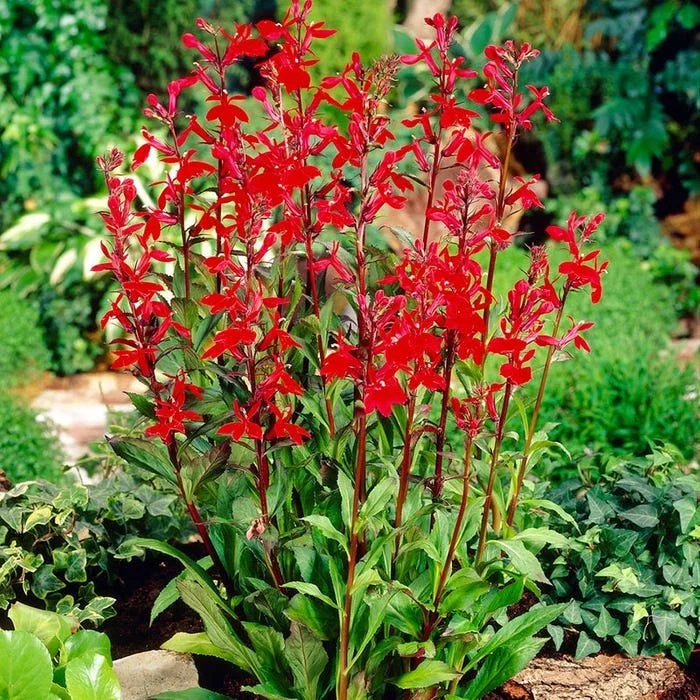
Have what you would describe as a ditch? Perfect. This beautiful native will thrive there and in moist soils in full sun to dappled shade. Can handle dry sites if they’re fairly shady, but it’s usually shorter lived in those conditions (but is known to self-seed). A favorite of hummingbirds.
Height: 2-3’ typically, but can grow up to 6’ in the wild
Blooms: May - October if you’re lucky and it’s happy
Soil: average to moist
Light: Shade to full sun
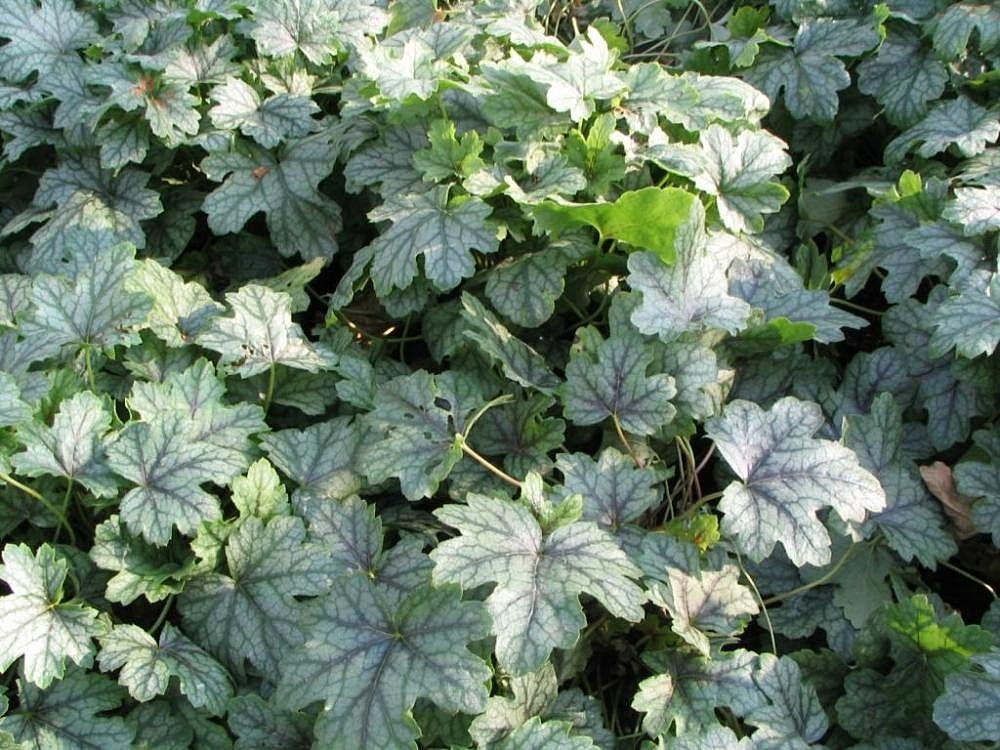
Great woodland groundcover that can handle part sun too! Flowers in spring, but the foliage is the real star here. This cultivar shows pinkish streaks through the leaves.
Height: 6-12”
Blooms: May
Soil: Average to moist
Light: Shade to Part Shade
A great spring-blooming groundcover. Will spread and form colonies with low, evergreen basal foliage that is topped with 1-2 foot daisy-like flower stalks in spring. Also known as Senecio aureus. Note that these are slightly smaller than other plugs, but they come in packs of 6.
Height: 1-2' stalks over low foliage
Blooms: March-April
Soil: Average to wet
Light: Partial to full Shade, though can handle full sun with moist soil
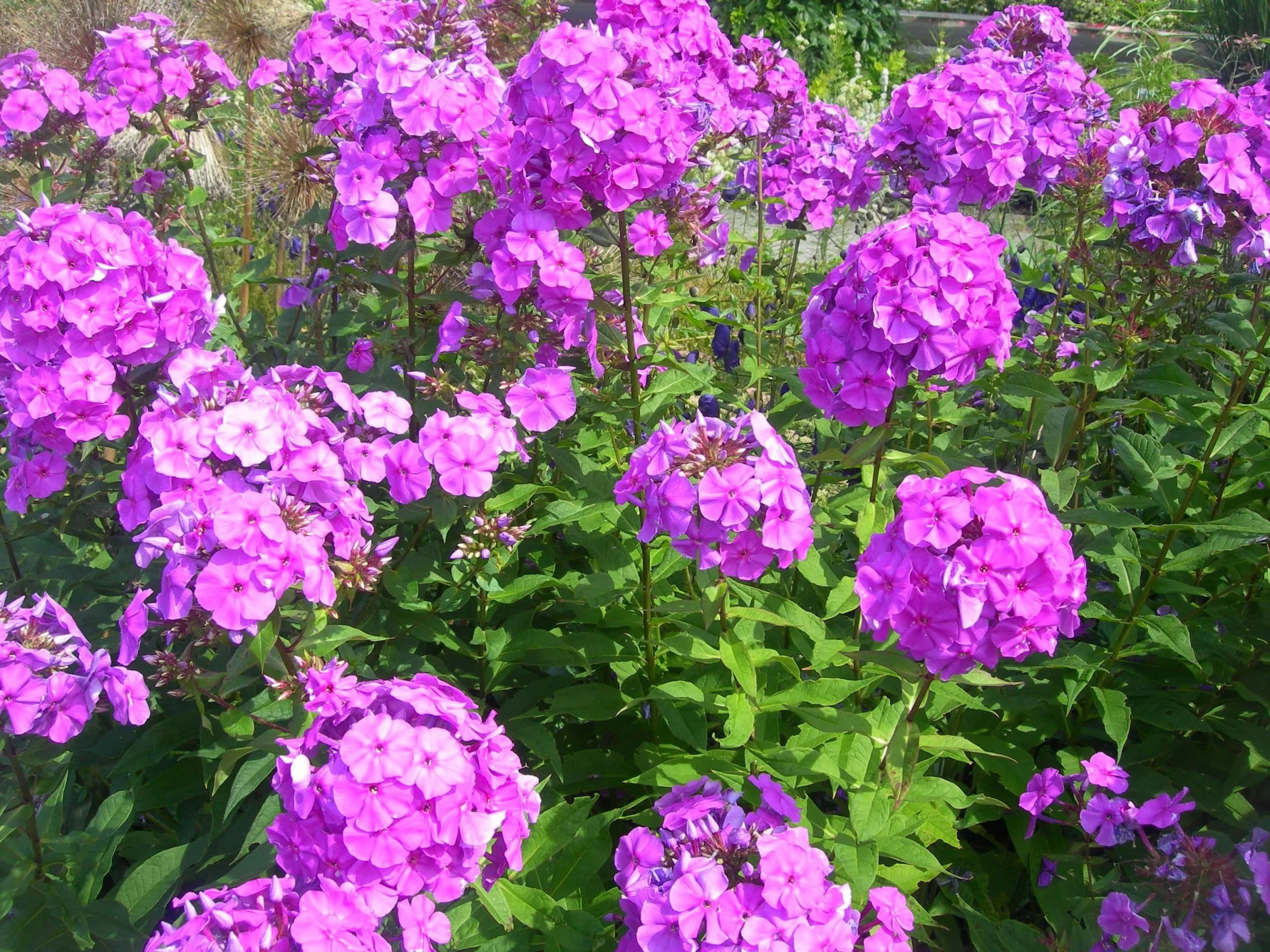
These dramatic long-lasting flowers are butterfly magnets. This selection has good powdery mildew resistance.
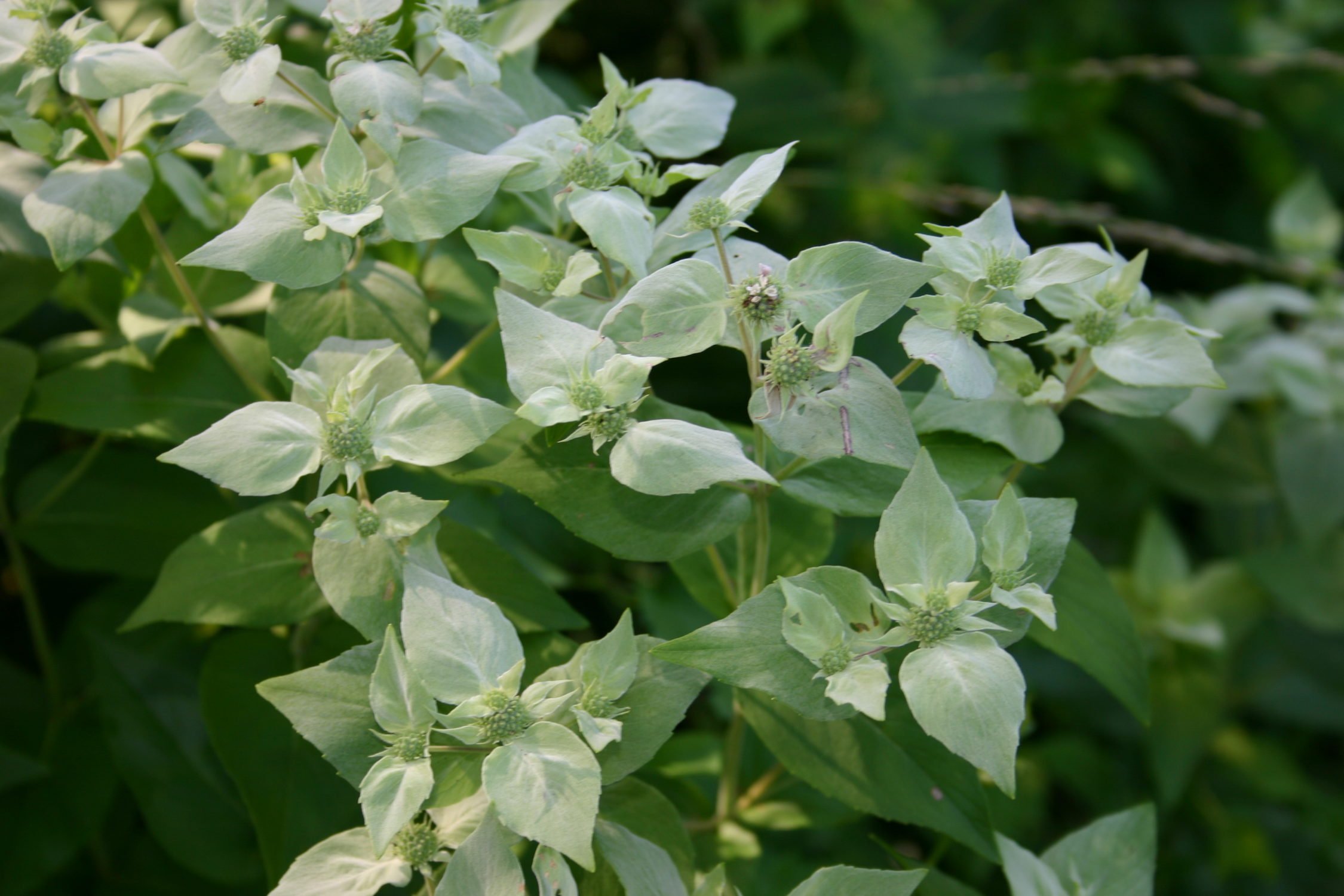
Mountain mint's distinctive pinkish green flowers are long bloomers and pollinator magnets, and this amazing plant is a magnet for lacewings, ladybugs, non-stinging wasps and other insects that help eradicate garden pests.
It grows to about 2 to 3 feet, and does well in part-shade to sunny sites. Here’s a nice article about it: Mountain Mint—Truly, a Gardeners Mint
Height: 2-3'
Blooms: July - September
Soil: Dry to Average
Light: Full Sun to Part Shade